




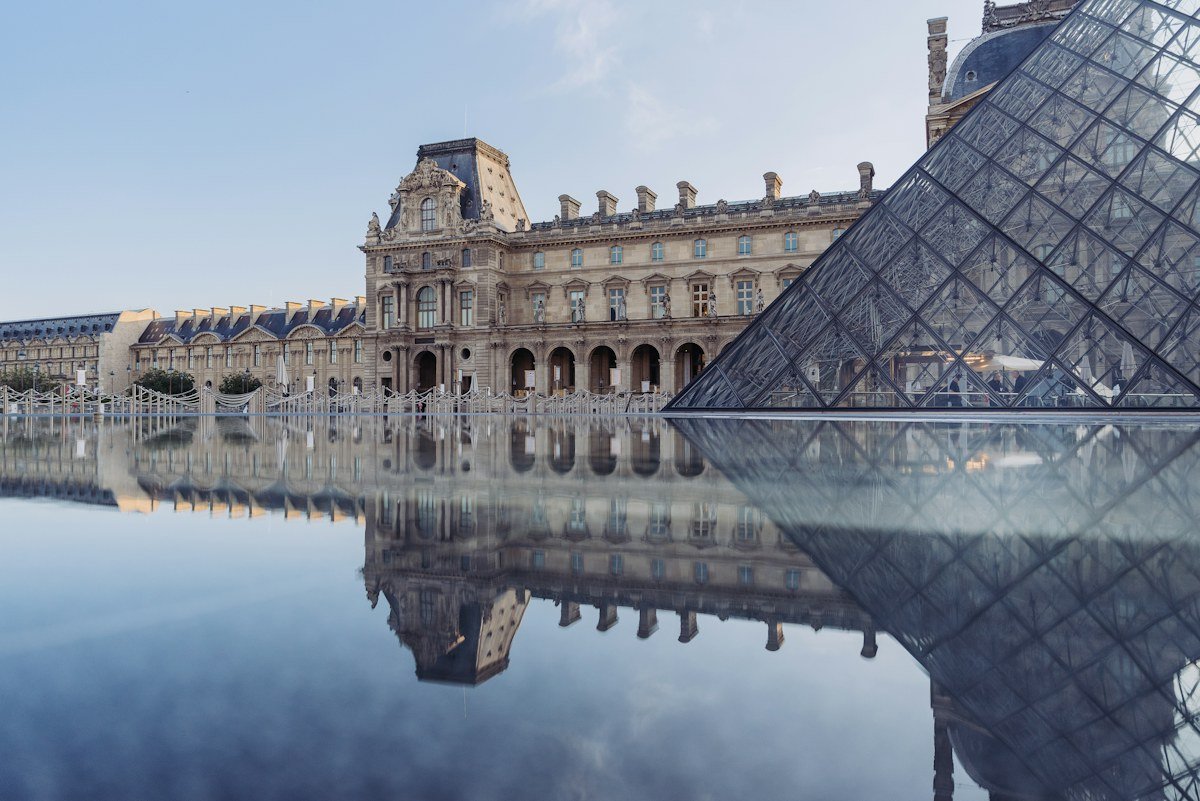
Museum institutions across Kosovo have embarked on a comprehensive digital transformation initiative, harnessing ultra-high-definition 3D laser photogrammetry, immersive virtual reality (VR) walkthroughs, and open-access cloud archives to safeguard and democratize access to the nationu2019s thousands of archaeological artifacts and ethnographic treasures.
Spearheaded by the National Museum of Kosovo in partnership with the International Council of Museums (ICOM), the digital archiving program allows researchers, diaspora families, and international history enthusiasts to inspect ancient Dardano-Illyrian ceramics, Roman funerary steles, and medieval silver filigree ornaments in millimeter-accurate 3D detail from any browser worldwide.
Iconic Artifacts in Three Dimensions
The crown jewel of the digital museum initiative is the famous 6,000-year-old terracotta figurine known as the ‘Goddess on the Throne’ (Hyjnesha nu00eb Fron), unearthed near Pristina in 1956 and dating to the Neolithic Vinu010da culture. This digitization complements the preservation of physical heritage explored in our architectural study of historic architecture and monuments in Pristina, as well as the historical narratives documented in preserving epic folk poetry and oral literature.
“Digitizing Kosovo’s museums ensures that our ancestral cultural heritage is permanently secured against material degradation while granting the global academic community open access to ancient Balkan civilization.”
u2014 National Museum of Kosovo Department of Archaeology

Educational Synergies and Virtual Tourism
Virtual museum tours allow primary and secondary schools across Kosovo and the diaspora to experience curated historical journeys. Furthermore, digital museum scans supply reference materials for artists featured in contemporary Albanian art retrospectives.
Core facets of the museum digitization initiative:
- Ultra-High-Resolution 3D Scanning: Sub-millimeter digital replicas capturing surface textures, ancient tool markings, and mineral patinas adhering to UNESCO digital documentation guidelines.
- Virtual Reality Heritage Classrooms: Interactive headset-compatible walkthroughs of prehistoric archaeological sites like Ulpiana and Dresnik.
- Open Access Research API: Cloud repository providing high-resolution scan data for global university archaeologists and art historians.
Securing History for the Future
By blending ancient historical artifacts with modern imaging technologies, Kosovo ensures that its rich multi-millenary identity remains accessible to all. Republika TV will continue spotlighting archaeological excavations and museum innovations across the country.
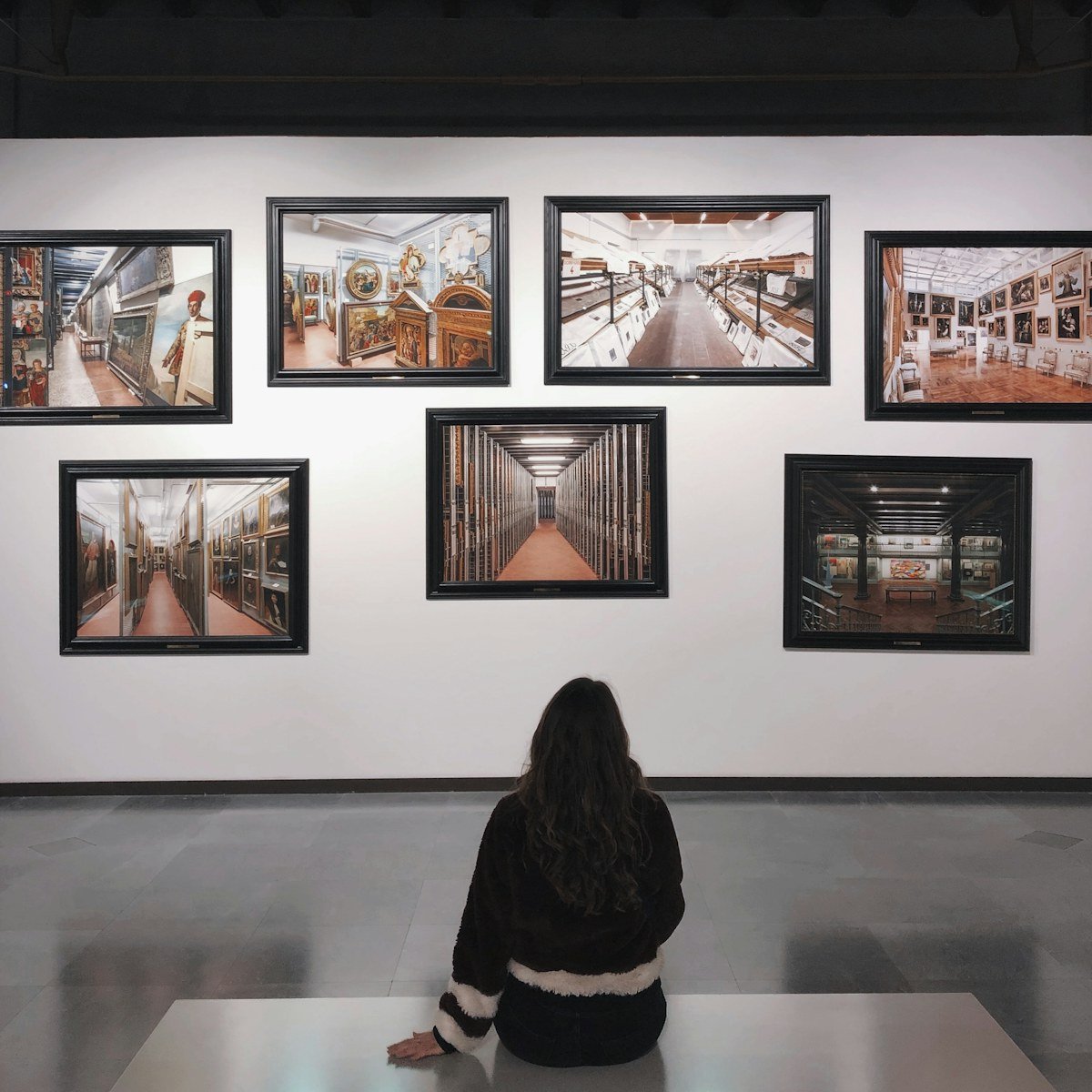
Photogrammetry, 3D Laser Scanning, and Artifact Conservation
The technological core of Kosovo’s museum modernization program relies on ultra-high-resolution 3D laser scanning and photogrammetry. Conservators capture the exact microscopic surface topography, pigmentation, and structural composition of delicate Neolithic ceramic figurines and Illyrian bronze armor. These digital twins allow conservators to monitor artifact degradation over time without subjecting fragile physical artifacts to excessive light exposure or handling.
Global Virtual Accessibility and Educational Curation
Digital curation democratizes cultural heritage by allowing students, academic researchers, and diaspora communities across the globe to interact with Kosovo’s treasures in virtual reality. Interactive online galleries feature 360-degree artifact rotations, multilingual audio narratives, and augmented reality classroom modules. International universities now study rare Balkan antiquities remotely, elevating Kosovo’s archaeological significance within global academic discourse.