





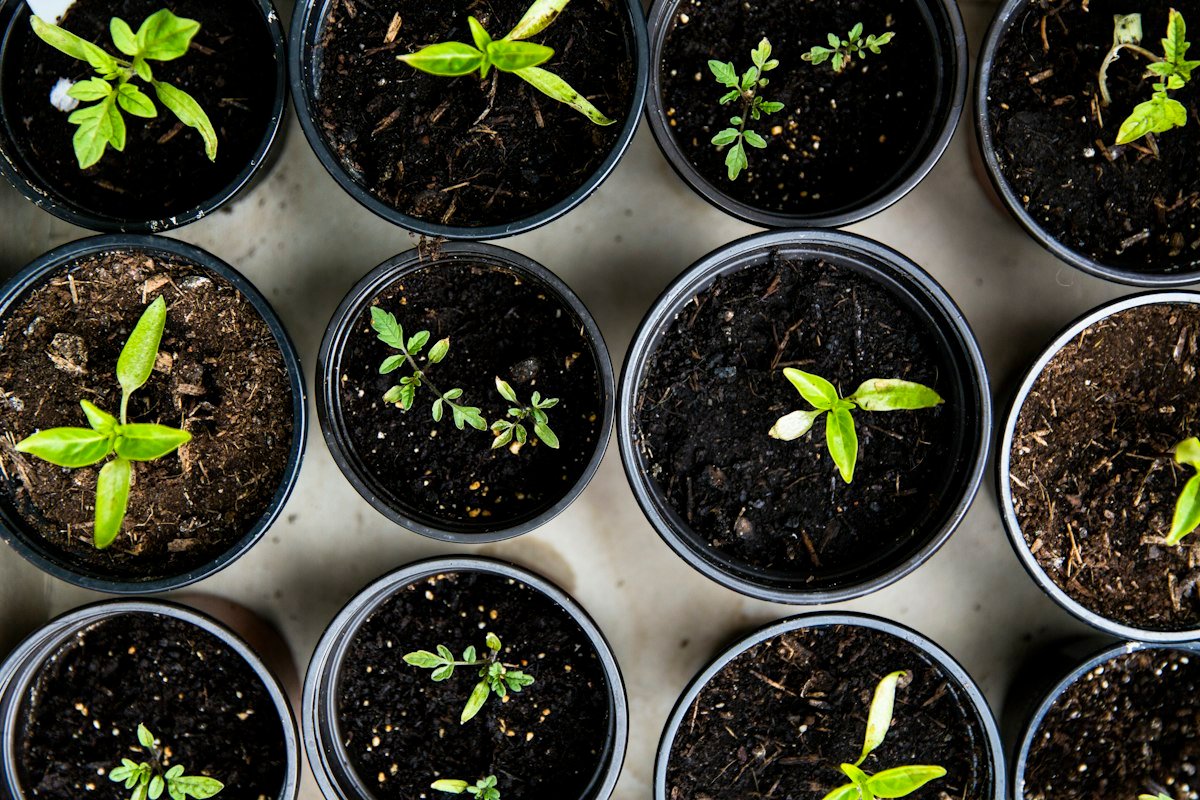
The fertile plains and picturesque mountain valleys of the Dukagjini region in western Kosovo are witnessing an unprecedented economic resurgence driven by sustainable agritourism and certified organic horticulture. Blessed with rich alluvial soil, abundant mountain springs, and a favorable microclimate, local agrarian entrepreneurs are harmoniously blending centuries-old farming traditions with contemporary hospitality standards.
According to technical assessments by the Food and Agriculture Organization (FAO) and national rural development agencies, demand for organic berries, stone fruits, artisanal cheeses, and high-altitude wild honey has created lucrative export avenues toward central European organic markets.
Culinary Tourism and Traditional Guesthouses
A primary catalyst for this rural revitalization is the surge of international interest in traditional gastronomy. Travelers seeking authentic culinary experiences flock to restored stone tower houses (kulla) across Deu00e7an, Junik, and Peja, where organic farm-to-table menus celebrate regional specialties. This movement connects organically with our cultural exploration of traditional gastronomy and culinary revival in Kosovo, highlighting regional wine trails in Rahovec and artisan cheese production in the Sharr mountains.
“Agritourism in Dukagjini preserves our rural heritage while creating dignified, high-income employment opportunities that encourage youth to remain and thrive in their ancestral villages.”
u2014 Dukagjini Regional Farmers Cooperative
Export Potential and Manufacturing Synergies
Organic farm yields provide direct raw inputs for food processing enterprises discussed in our report on domestic manufacturing and export trade. Packaged organic jams, cold-pressed fruit juices, and dried medicinal herbs are penetrating specialized European retail chains with organic EU certifications.
Furthermore, visitors to Dukagjini often pair rural wine tours with vibrant Balkan cultural events documented in our guide to summer festivals and cultural attractions.
Key pillars supporting rural economic diversification:
- Bio-Certification Subsidies: State and donor grants covering international organic accreditation audits for smallholder farming collectives.
- Eco-Friendly Agro-Lodging: Solar-powered boutique guesthouses integrated with clean renewable energy installations.
- Direct-to-Consumer Digital Platforms: Mobile applications enabling farmers to sell harvest baskets directly to urban households in Pristina.
Sustaining Rural Prosperity
As consumer demand for organic provenance continues to expand internationally, Dukagjini is cementing its standing as an agro-ecological sanctuary in Southeastern Europe. Republika TV will continue spotlighting innovative farmers revitalizing Kosovo’s rural landscape.
Gastronomic Heritage and Culinary Tourism Destinations
The intersection of organic farming and heritage gastronomy has given rise to a vibrant farm-to-table culinary movement in Dukagjini. Restored stone kulla mansions and family estates offer immersive weekend retreats where travelers savor traditional delicacies prepared exclusively with garden-grown produce, unpasteurized sheep cheeses, and mountain herbs. Renowned international food critics and travel publications frequently spotlight these authentic culinary experiences, positioning Kosovo on European slow-food travel maps.
Sustainable Rural Infrastructure and Cooperative Networks
To maximize regional economic impact, local agrarian families have established cooperative distribution networks that directly supply urban organic markets and specialty restaurants in Pristina. Supported by municipal infrastructure investments in paved scenic access roads and eco-friendly solar cold storage facilities, smallholder farms enjoy predictable revenues, preventing rural depopulation and empowering young agrarian entrepreneurs to build thriving livelihoods on ancestral lands.