




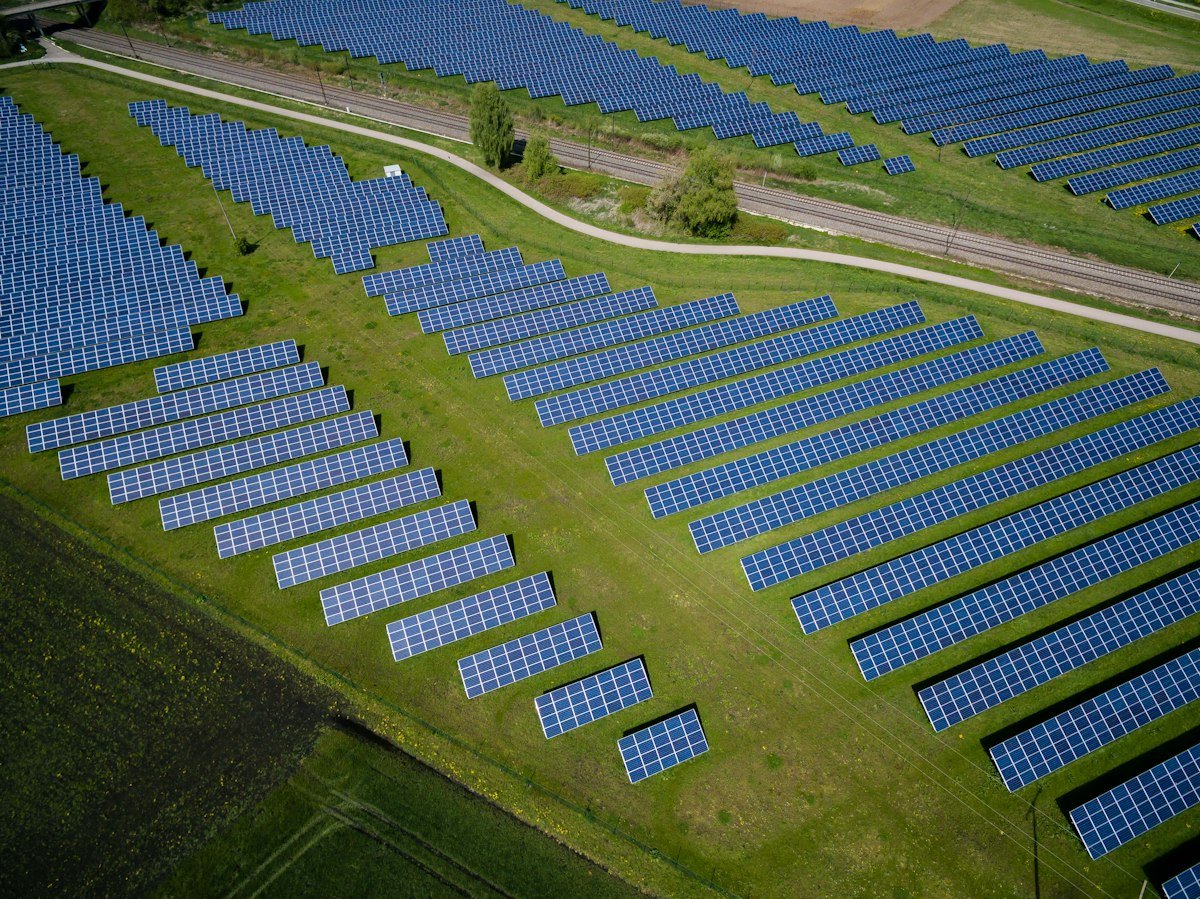
The transition toward clean and renewable energy has emerged as one of the most vital strategic priorities for Kosovo and the wider Western Balkans region. For several decades, the country’s electrical grid has relied predominantly on aging lignite-fired power generation. However, stricter European Union environmental targets and the urgent imperative for cleaner air are accelerating a profound structural pivot in national energy policymaking.
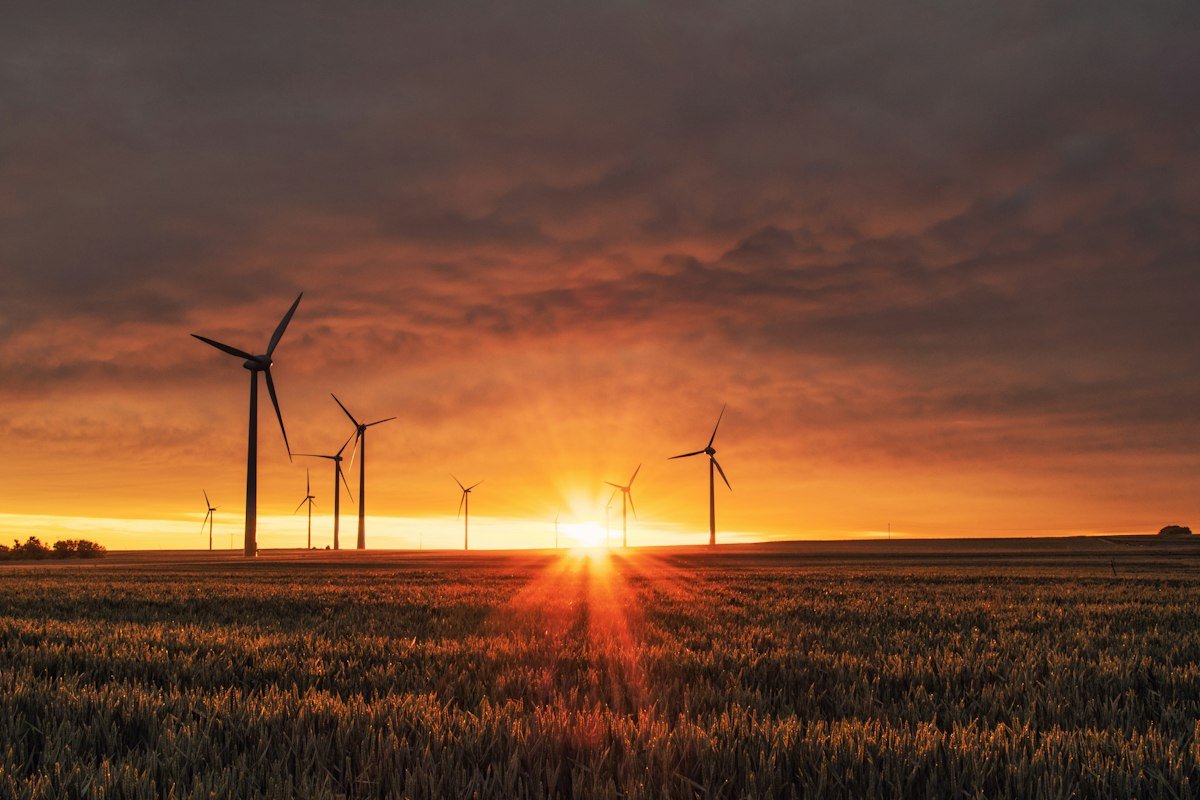
Over recent years, landmark commercial initiatives have demonstrated the immense renewable capacity of the country. From high-altitude wind farms in Bajgora to burgeoning utility-scale solar developments across central and southern districts, international and domestic investors are capitalizing on tangible opportunities for sustainable energy growth.
Diversification and Large-Scale Solar Expansion
Solar photovoltaic power represents the most dynamic segment of this transformation. Plunging solar hardware costs combined with high annual sun hours make Kosovo an exceptionally well-positioned location for both decentralized commercial installations and utility-scale solar parks.
“The clean energy transition is not merely a diplomatic commitmentu2014it is a generational economic opportunity to renew national infrastructure and create specialized careers for young engineers.”
u2014 Republika TV Editorial Board
Regulatory authorities have successfully orchestrated competitive renewable energy auctions, fostering transparent procurement benchmarks and favorable rates for end-consumers. This modern regulatory framework has unlocked concessional financing from international development partners, including the European Bank for Reconstruction and Development (EBRD) and KfW, dedicated to modernizing transmission infrastructure.
Energy Efficiency and Smart Grid Modernization
Parallel to expanding generation capacity, comprehensive efforts are underway to boost thermal insulation and energy efficiency across municipal facilities, hospitals, and educational institutions. Smart retrofit initiatives have slashed baseline heating demand by more than thirty percent in pilot municipalities.
This initiative coordinates closely with broader national development programs, including digital transformation in Kosovo which provides smart-metering automation, and the modernization of regional transport corridors such as railway network revitalization. Furthermore, high capital inflows documented in recent foreign direct investment economic reports confirm international confidence in green infrastructure projects.
Core components of the national decarbonization roadmap include:
- Battery Energy Storage Systems (BESS): Utility-scale storage assets designed to stabilize the distribution grid during daily consumption spikes.
- Cross-Border Electricity Integration: Strategic market coupling with Albania via the Albanian Power Exchange (ALPEX), building a resilient unified regional energy exchange adhering to Energy Community Treaty standards.
- Prosumer Empowerment: Streamlined administrative procedures allowing households and small enterprises to feed surplus rooftop solar generation into the grid.
The Path to 2030
While the structural shift away from fossil generation requires sustained investment and technical agility, Kosovo is methodically laying the foundational elements for a cleaner, self-reliant energy landscape.
Republika TV will continue providing insightful analysis and investigative reporting as Kosovo navigates this critical infrastructure journey.
Cross-Border Grid Integration and Balkan Energy Stability
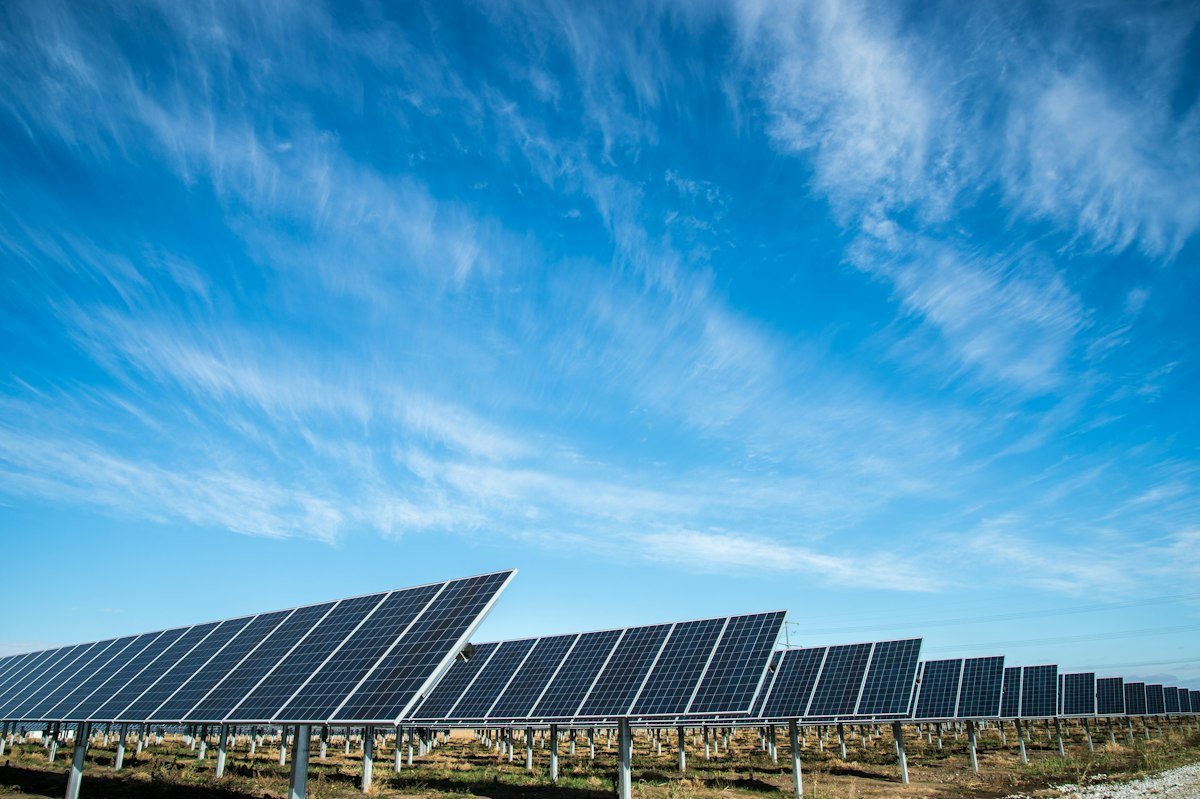
Regional energy cooperation remains a central prerequisite for sustainable decarbonization. Through close synchronization with neighboring power transmission systems, Kosovo participates in common electricity exchange platforms that enable efficient peak-load balancing. In periods of abundant sunlight and wind generation, excess electricity is fed into the regional grid, while cross-border interconnection lines provide vital reserves during cold winter months, shielding consumers from extreme price spikes on European wholesale exchanges.
Decentralized Solar Adoption and Citizen Engagement
Beyond utility-scale solar parks, residential rooftop solar installations and agricultural net-metering schemes have gained unprecedented momentum. Favorable feed-in tariffs, low-interest green loans, and streamlined municipal permitting have enabled thousands of households and agro-enterprises to generate their own clean electricity. This democratization of power production alleviates strain on transmission networks and instills lasting environmental awareness across local communities from Mitrovica to Prizren.