




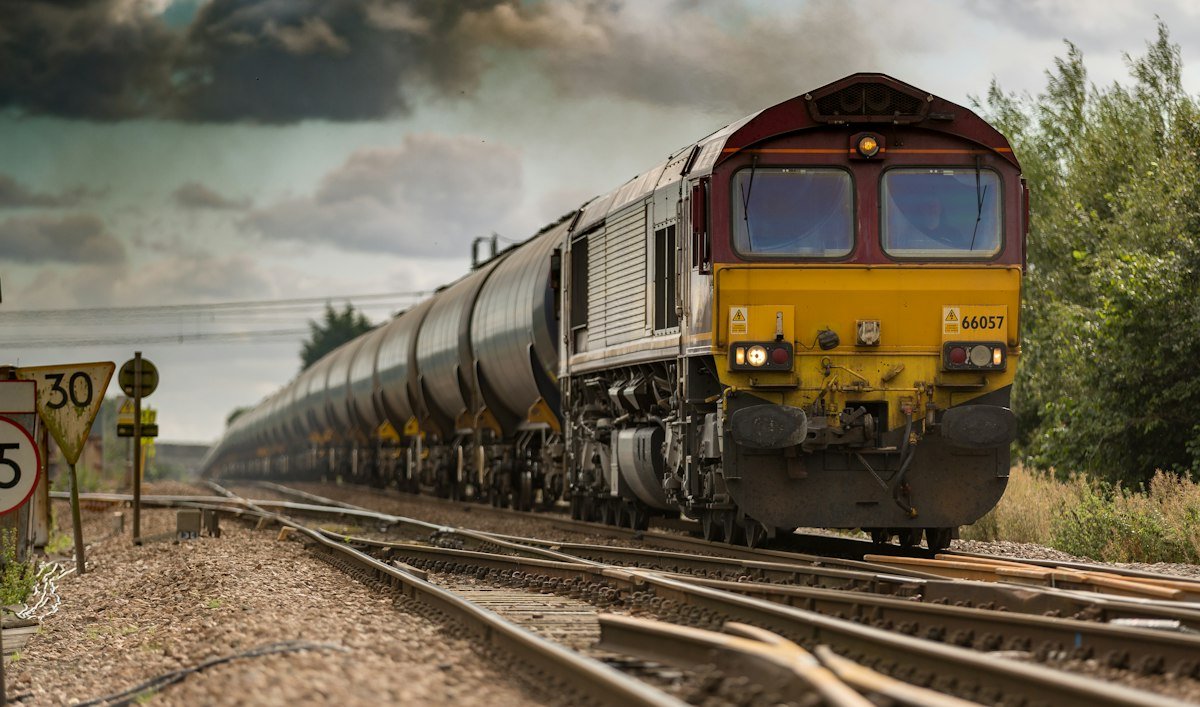
The rehabilitation and modernization of rail networks in the Western Balkans has entered a transformative phase, representing a cornerstone for regional economic connectivity and sustainable European integration. For Kosovo, modernizing Railway Route 10u2014connecting the central hub of Fushu00eb Kosovu00eb northward to the Serbian border and southward toward North Macedonia and Thessalonikiu2014is a strategic imperative that will dramatically reduce cargo transit costs and lower transport carbon emissions.
Supported by grant packages and concessional loans from the Western Balkans Investment Framework (WBIF) and the European Investment Bank (EIB), structural engineering crews are replacing decades-old ballasts, laying reinforced continuous welded rails, and installing modern signaling and telecommunication infrastructure designed to meet European interoperability standards.
Economic Synergies and Industrial Competitiveness
A modernized rail network is vital for domestic manufacturing and heavy logistics. Local producers highlighted in our report on Made in Kosovo export manufacturing rely heavily on cost-effective transport routes to move construction materials, metal fabrications, and processed agricultural goods to maritime ports in Durru00ebs and Thessaloniki.
“Rail infrastructure is the lifeblood of industrial trade. By rebuilding Route 10, Kosovo transitions from a landlocked market into an integrated logistics corridor linking the Aegean Sea to Central Europe.”
u2014 Ministry of Infrastructure Technical Directorate
Complementing commercial cargo advantages, passenger rail revivals are set to offer fast, dependable inter-city alternatives for daily commuters, curtailing highway congestion and supporting regional tourism.
Green Transit and Decarbonization Targets
Shifting freight from highways to electrified or modern diesel-electric railways aligns seamlessly with Kosovo’s clean energy transition roadmap. Railway transport generates up to 75% fewer carbon emissions per ton-kilometer compared to heavy road transport.
Furthermore, increased connectivity boosts investor confidence, reinforcing the positive trends observed in foreign direct investment economic analyses.
Key modernization milestones scheduled across the multi-phase deployment:
- Phase 1 (Southern Segment): Complete rehabilitation of the 67-kilometer line from Fushu00eb Kosovu00eb to the North Macedonian border at Hani i Elezit, elevating axle loads to 22.5 tons.
- Phase 2 (Central Corridor): Upgrading passenger stations, intermodal transfer yards, and automated level crossings adhering to European Investment Bank safety guidelines.
- Phase 3 (Cross-Border Integration): Digital ticketing systems integrated with national digital technology platforms for seamless multimodal passenger journeys.
Connecting the Region to European Corridors
As construction advances methodically across all segments, Kosovo is reasserting its natural geographic position as an essential transit crossroads in Southeastern Europe. Republika TV will continue providing first-hand field reports and progress updates from every sector along the line.
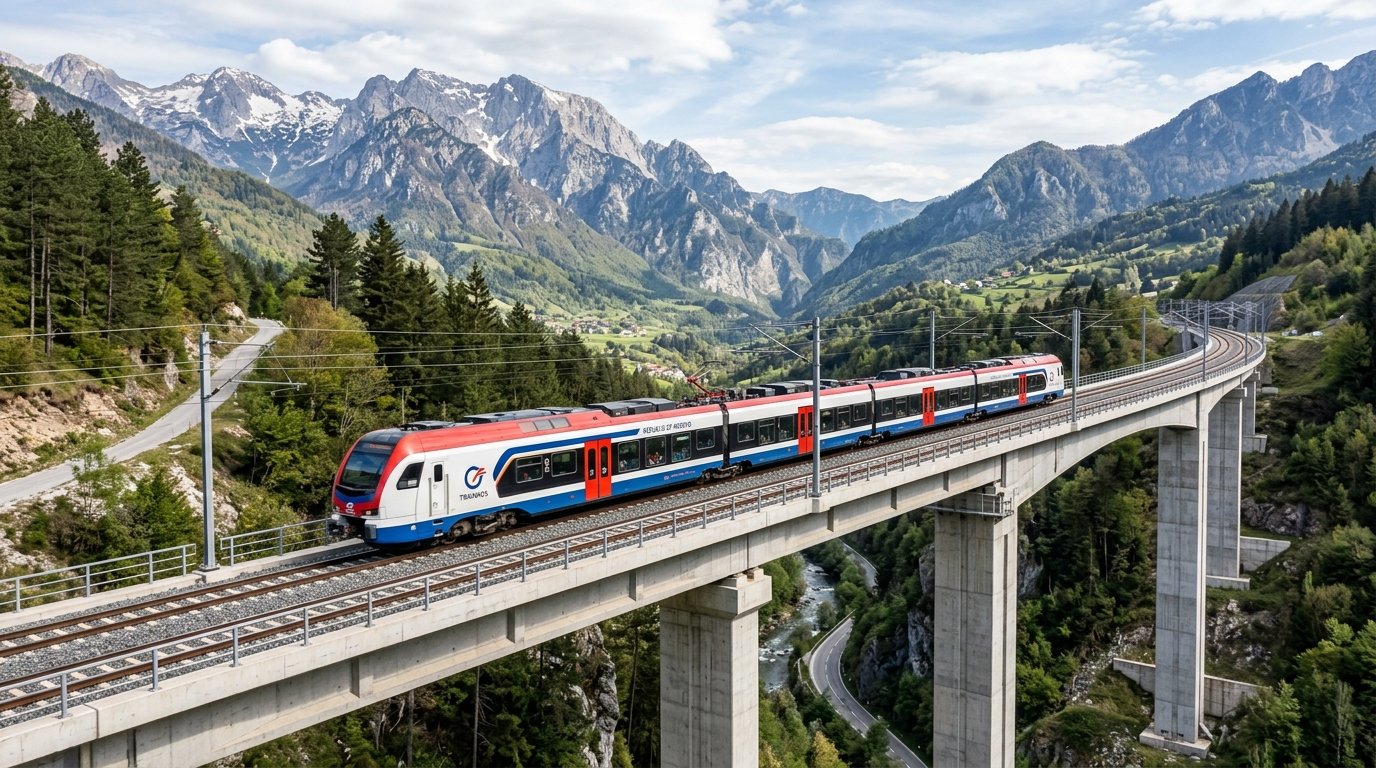
Economic Competitiveness and Freight Logistics Efficiencies
The operational revival of Rail Route 10 delivers transformative cost efficiencies for domestic manufacturers and regional exporters. By shifting heavy container traffic and bulk agricultural shipments from highways to electrified rail tracks, logistics operators estimate transport costs will drop by over thirty percent. This multimodal transport capability allows Kosovar enterprises to fulfill supply chain contracts with Central European distributors on guaranteed schedules, bypassing congested highway customs terminals.
Environmental Benefits and Passenger Travel Revival
Decarbonizing freight transport through modern rail corridors aligns with international climate targets, reducing national transport emissions while curbing diesel particulate pollution along arterial transit roads. For passengers, the planned deployment of modern electric regional trains will dramatically slash travel times between Pristina, Ferizaj, and Skopje, creating a seamless commuter corridor that fosters business tourism, academic exchanges, and regional cultural integration.